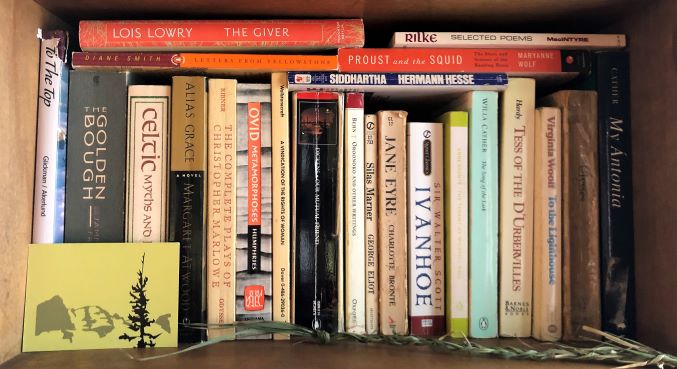
All tagged 19th century

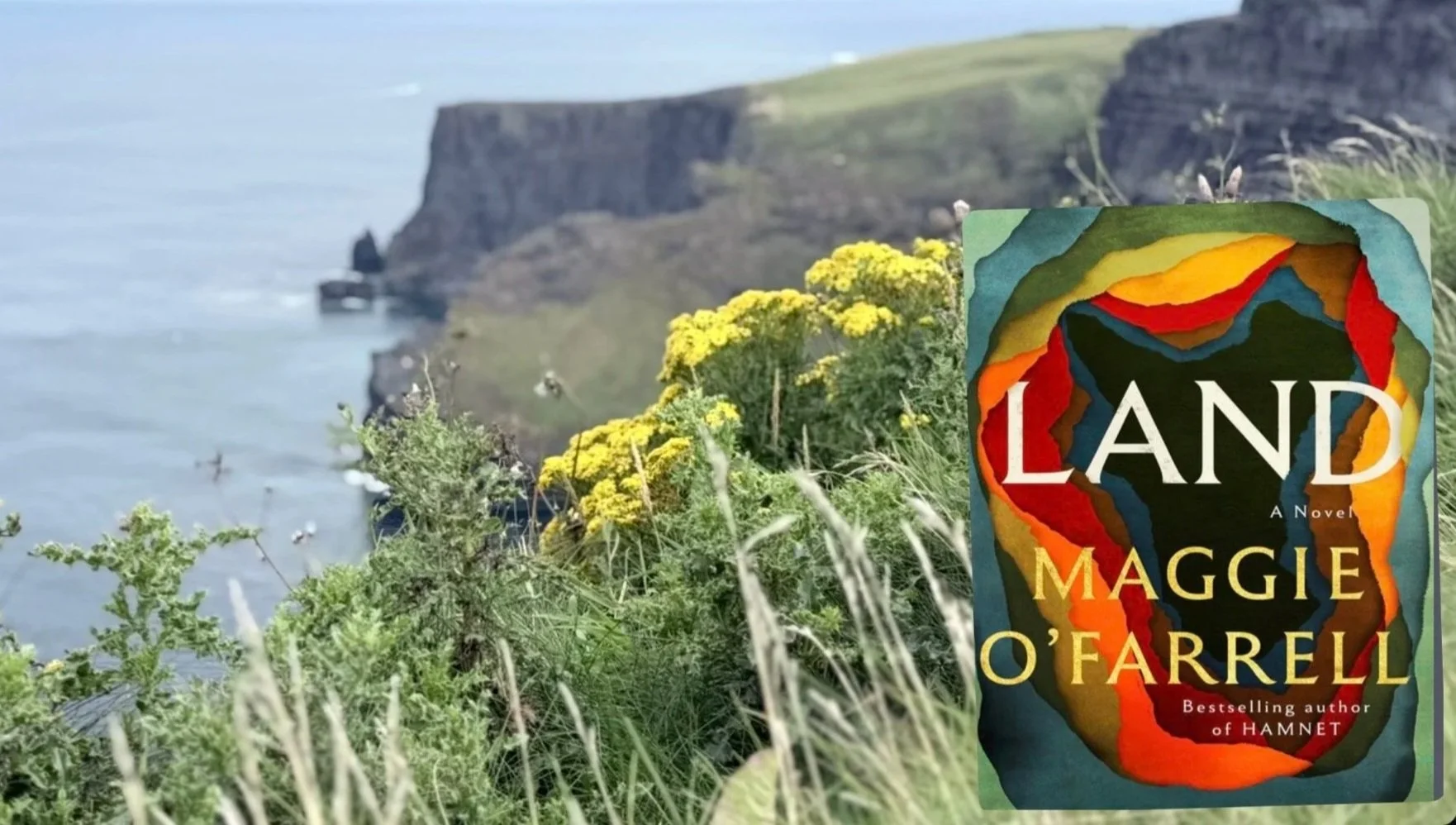
Land

So many of our stories in modern Western European traditions revolve around humans. Be they grand or meek, great or villainous, sure-footed or uncertain, humans tend to dominate our narratives. This is not true for other culture’s stories, I should clarify. In many indigenous story traditions, the nonhuman—from flora and fauna to rivers, mountains, and minerals—play significant parts. Maggie O’Farrells’s newest novel plays into this tradition. Land (2026) is largely the story of an Irish family in the years after The Great Hunger (what some refer to, an oversimplification, as the Irish potato famine). This family — mother and father and their children — is upended when the father has an inexplicable experience on a peninsula in Western Ireland while working as a surveyor for the British. O’Farrell’s writing is powerful as she reveals the complex stories of a family, generation by generation; alongside Phina and Thómas’s family story, though, O’Farrell also develops the older stories of the land. 
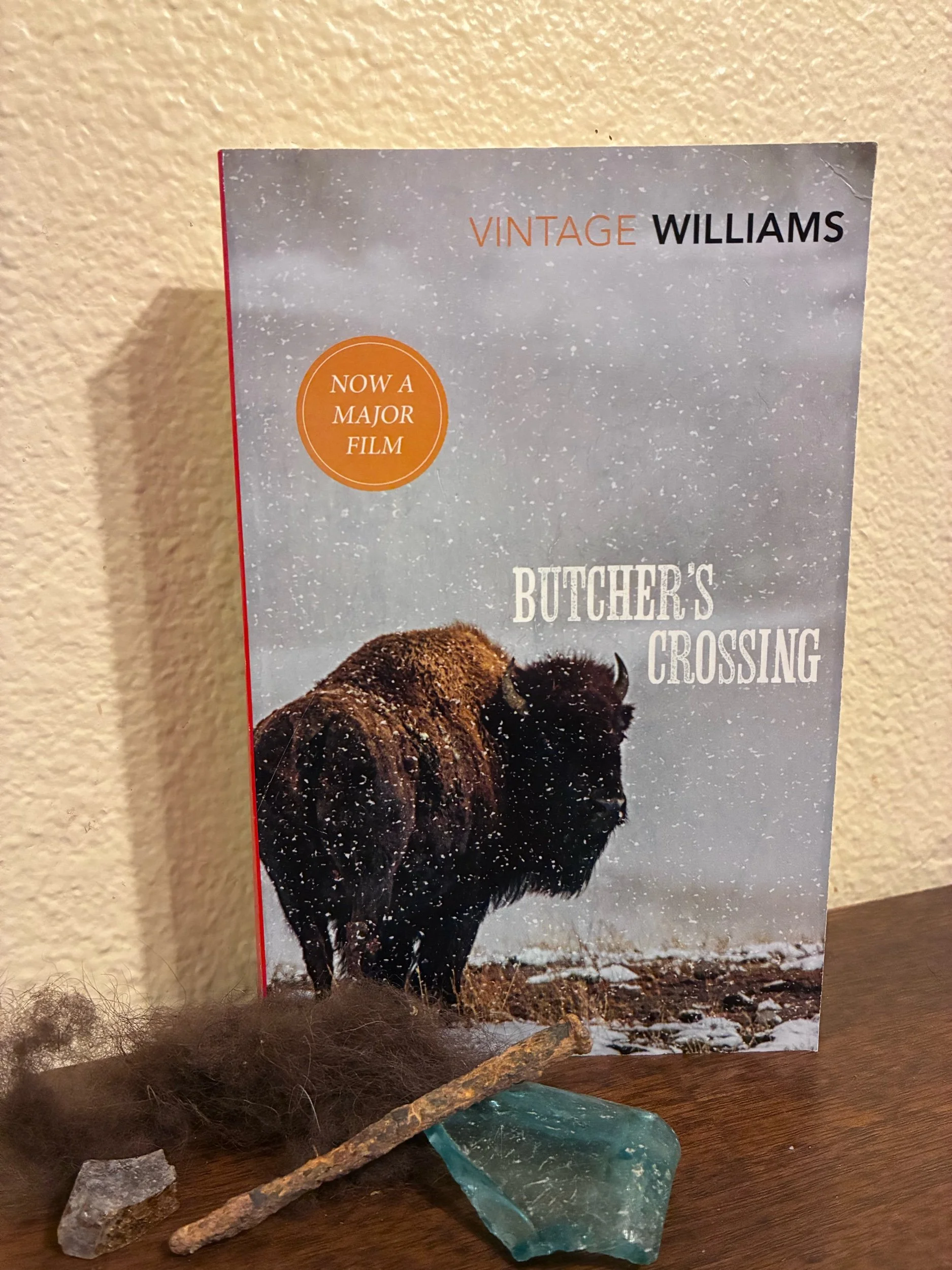
Butcher's Crossing

This fall I lost myself in the wilds of John Williams’ Butcher’s Crossing (1960) and quickly recognized its power and its brilliance. This western novel follows the path of Harvard student, William Andrews. Andrews leaves the comforts of civilized life back East to venture westward. It is the age of the great bison hunts, of making one’s fortunes in the unclaimed lands of the American West; it is the late 1800s and the romance of the West calls young Will Andrews.

Desperate Remedies

Desperate Remedies (1871) was Thomas Hardy’s first published novel. Written chronologically by date, from 1835 to the 1860s, the chapter title move the reader through “The Events of Thirty Years,” “The Events of a Fortnight,” “The Events of Eight Days” and so on. With every passing hour, day, week, year, Desperate Remedies leads its reader through the coming-of-age events in young Cytherea Graye’s life.

Puritans & Whalers: Reading Coastal Massachusetts

In the weeks leading up to Halloween 2018, my family headed east to Boston and coastal Massachusetts. In addition to the Boston downtown (and all its Freedom Trail historical glory), we visited both Salem and New Bedford, Massachusetts. In preparation for our trip I chose to read Hawthorne’s The House of Seven Gables and Sena Jeter Naslund’s Ahab’s Wife: or, the Star Gazer (1999).